

ABOUT US
Our Journey in Eye Care Excellence: The Story of Lions Eye Hospital
General Ophthalmology
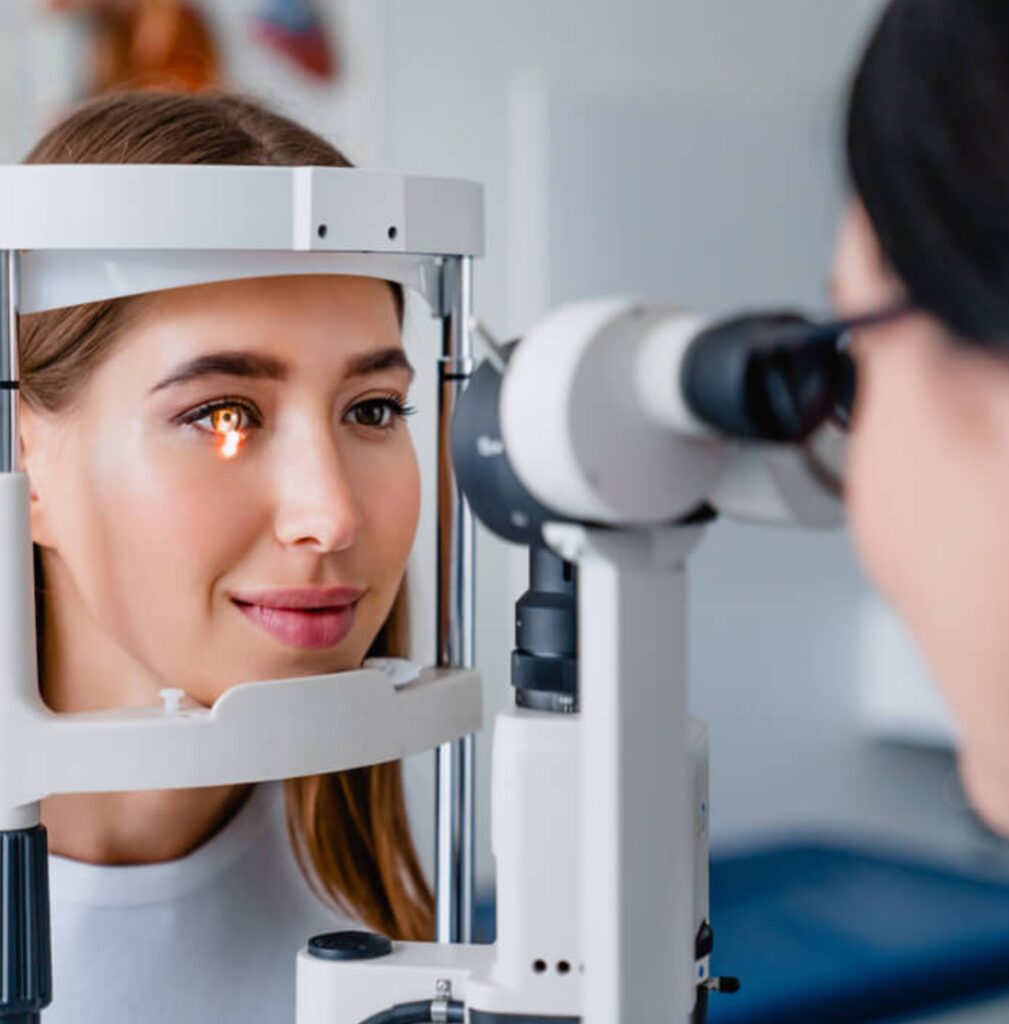
Focuses on the overall health of the eyes, diagnosing and treating a broad range of eye conditions that can affect vision and quality of life. From routine eye exams to the management of eye diseases like glaucoma, dry eye, or diabetic retinopathy, general ophthalmology ensures your eyes are healthy at every stage of life. Regular eye check-ups are crucial for early detection of problems, even if you aren’t experiencing symptoms. Vision changes can be gradual, and conditions like cataracts, macular degeneration, or glaucoma may not present early warning signs but can cause irreversible damage if left untreated.
Common eye issues may arise due to various causes, such as aging, genetics, injury, prolonged screen exposure, or environmental factors like dust and pollution. Dry eyes, eye strain, and blurred vision are frequent complaints, especially with the increased use of digital devices. While most of these conditions are manageable with early intervention, some, like glaucoma or retinal detachment, require more urgent care to prevent permanent vision loss.
: Do's :
- Schedule regular eye exams to catch any potential issues early, especially if you have a family history of eye conditions.
- Use protective eyewear when engaging in activities that could harm your eyes, such as sports or hazardous work.
- Wear sunglasses with UV protection to shield your eyes from harmful sun rays.
- Eat a diet rich in eye-healthy nutrients like omega-3s, vitamin A, and antioxidants.
- Follow the 20-20-20 rule to reduce digital eye strain—look at something 20 feet away for 20 seconds every 20 minutes.
: Dont's :
- Avoid rubbing your eyes, as it can cause irritation and increase the risk of infection.
- Don’t overuse digital screens without taking frequent breaks, as it can lead to eye strain and dryness.
- Never ignore symptoms like sudden vision changes, pain, or redness—seek professional help immediately.
- Avoid sleeping with contact lenses unless they’re specifically designed for overnight wear.
- Don’t use expired or over-the-counter eye drops without consulting an eye doctor, as they may worsen your condition.
Cataract Services
We Provide essential care for one of the most common eye conditions affecting millions worldwide. A cataract forms when the natural lens of the eye becomes cloudy, impairing vision. This cloudiness, often associated with aging, can make everyday activities like reading, driving, or recognizing faces challenging. While cataracts are typically age-related, other factors like prolonged UV exposure, smoking, diabetes, or past eye injuries can also accelerate their development. BW Lions Super Speciality Eye Hospital offers cutting-edge cataract services, including advanced surgical techniques to remove the cloudy lens and replace it with a high-quality intraocular lens (IOL). Options like aspheric, multifocal, trifocal, and toric lenses allow patients to enjoy sharper, clearer vision and a higher quality of life post-surgery.
While cataract surgery is highly effective, as with any procedure, there can be side effects. Some patients might experience dry eyes, light sensitivity, or mild discomfort in the days following surgery. In rare cases, complications like infection, inflammation, or dislocation of the IOL can occur, requiring immediate medical attention. However, most individuals recover quickly and experience significant improvements in vision. Early diagnosis and timely surgery can prevent complications like glaucoma or total vision loss, making cataract services crucial for long-term eye health.
: Do's :
- Schedule regular eye exams to monitor for early signs of cataracts and other eye conditions.
- Wear sunglasses with UV protection to reduce exposure to harmful rays that may accelerate cataract development.
- Follow your doctor’s instructions post-surgery, including using prescribed eye drops to prevent infection.
- Eat a diet rich in antioxidants (vitamins C and E) to support eye health and slow cataract formation.
- Rest your eyes after surgery and avoid strenuous activities to allow for proper healing
: Dont's :
- Don’t rub your eyes after cataract surgery to avoid irritation and infection.
- Avoid heavy lifting or bending immediately following surgery to prevent pressure on the eye.
- Don’t expose your eyes to bright lights or direct sunlight post-surgery without proper protection.
- Refrain from driving or engaging in activities that require clear vision until your doctor clears you.
- Don’t smoke, as it can increase the risk of cataract formation and hinder recovery after surgery.
Vitreoretinal Services
Focus on diagnosing and treating conditions that affect the retina and the vitreous, the clear gel-like substance inside the eye. These conditions include retinal detachments, macular degeneration, diabetic retinopathy, and macular holes, all of which can lead to severe vision loss if left untreated. BW Lions Super Speciality Eye Hospital offers advanced vitreoretinal services with cutting-edge diagnostic tools and treatment options, such as laser therapies, vitrectomy, and injections for age-related macular degeneration. These procedures are designed to restore and preserve vision, ensuring patients with complex retinal issues receive the highest standard of care.
The causes of vitreoretinal diseases vary, but many are linked to aging, diabetes, high blood pressure, and trauma to the eye. Early symptoms can include floaters, flashes of light, and a sudden reduction in vision. Immediate treatment is essential to prevent permanent damage. While vitreoretinal procedures are highly effective, side effects can include temporary discomfort, swelling, or sensitivity to light. In some cases, more serious complications like infection, bleeding, or retinal detachment can occur, requiring close monitoring during recovery. The hospital’s specialized team ensures that each patient receives tailored care, minimizing risks and optimizing visual outcomes.

: Do's :
- Schedule regular eye check-ups if you’re at risk for vitreoretinal diseases, especially if you have diabetes or high blood pressure.
- Use protective eyewear when engaging in activities that could harm your eyes, such as sports or hazardous work.
- Wear sunglasses with UV protection to shield your eyes from harmful sun rays.
- Eat a diet rich in eye-healthy nutrients like omega-3s, vitamin A, and antioxidants.
- Follow the 20-20-20 rule to reduce digital eye strain—look at something 20 feet away for 20 seconds every 20 minutes.
: Dont's :
- Avoid rubbing your eyes, as it can cause irritation and increase the risk of infection.
- Don’t overuse digital screens without taking frequent breaks, as it can lead to eye strain and dryness.
- Never ignore symptoms like sudden vision changes, pain, or redness—seek professional help immediately.
- Avoid sleeping with contact lenses unless they’re specifically designed for overnight wear.
- Don’t use expired or over-the-counter eye drops without consulting an eye doctor, as they may worsen your condition.